Authentication Layers and Their Role in Shaping Multi-Game Reward Pathways on Smartphone Platforms
Rafael Long · Jun 18, 2026

Authentication Layers and Their Role in Shaping Multi-Game Reward Pathways on Smartphone Platforms
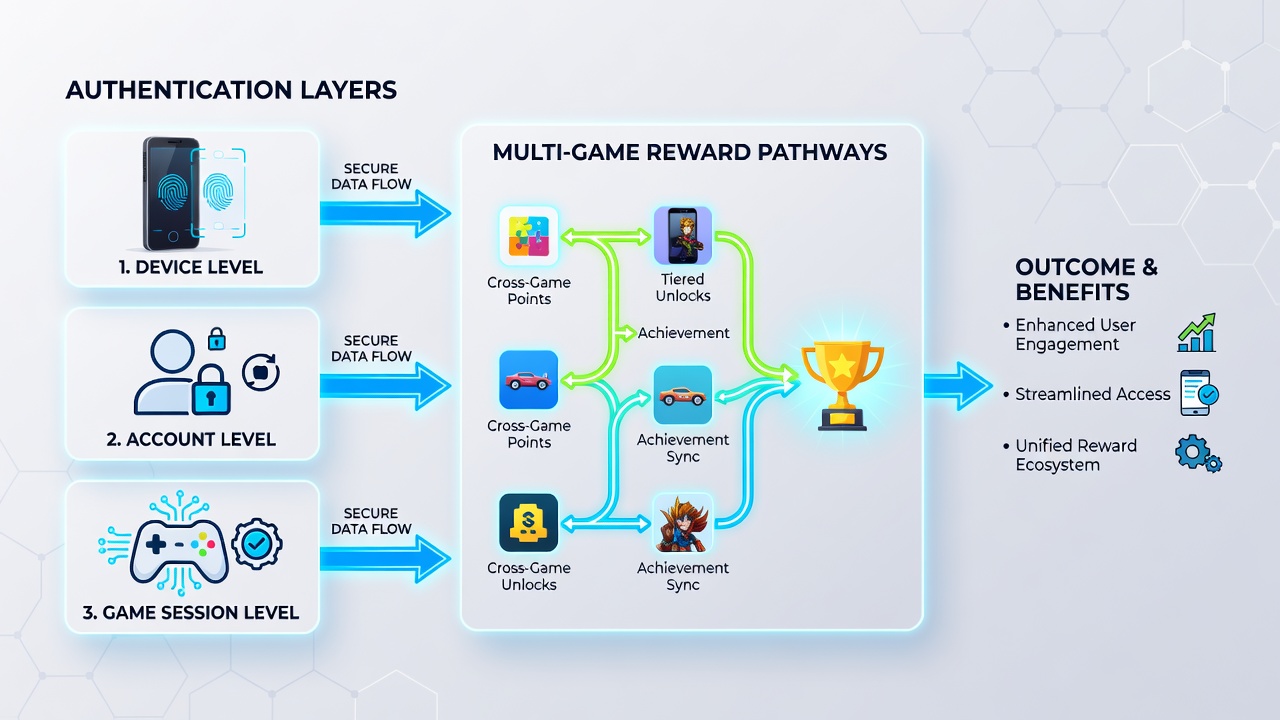
Authentication layers function as sequential verification steps that confirm user identity before granting access to interconnected reward systems across multiple games on smartphone platforms, and these mechanisms directly influence how bonuses transfer between automated reel mechanics and real-time dealer sessions. Device-based checks combine with biometric scans plus token validation to create pathways where rewards earned in one title become available in another without repeated manual logins.
Core Components of Authentication Layers
Basic password entry serves as the entry point in most smartphone casino applications while secondary factors such as facial recognition or fingerprint confirmation add depth and these combined elements reduce unauthorized access that could disrupt reward tracking. Token systems generated after initial login maintain session continuity across games so that progress toward chained promotions remains intact even when users switch between slot sequences and table formats.
Observers note that platform operators integrate OAuth protocols from external services to streamline verification and this approach allows reward data to sync across titles without exposing full account credentials during each transition. Data from regulatory bodies shows increased adoption of such layered methods in mobile environments since 2024 with particular growth recorded through early 2026.
How Layers Influence Cross-Game Reward Flows
Multi-game reward pathways depend on consistent identity confirmation because mismatched verification at any stage can block bonus transfers between different game types on the same application. When authentication succeeds seamlessly, points accumulated in reel-based games flow into live dealer sessions through unified ledgers that update in real time and this connectivity supports promotional structures where deposits in one section unlock features in another.
Researchers have documented cases where weaker single-layer systems led to fragmented reward access while stronger combinations preserved continuity across handheld platforms. In June 2026 several operators updated their verification stacks to include device fingerprinting alongside existing biometrics which further stabilized these flows according to industry reports from the Alcohol and Gaming Commission of Ontario.
Regional Regulatory Effects on Implementation
Licensing requirements in various jurisdictions shape how authentication layers integrate with reward mechanics and platforms operating under New Jersey Division of Gaming Enforcement oversight must maintain specific security thresholds that affect how quickly users move between titles. These rules ensure reward pathways remain traceable yet they also dictate the speed at which cross-game promotions activate after verification completes.
Studies conducted by academic institutions including the University of Nevada Las Vegas have examined synchronization patterns where layered authentication supports or hinders incentive movement and findings indicate that robust systems correlate with higher completion rates for chained bonuses spanning reel cycles and dealer tables inside mobile environments.
Technical Mechanisms Behind Reward Accessibility
API endpoints protected by multi-factor tokens enable reward data to pass between game modules once authentication clears each layer and this setup prevents duplication of bonuses while allowing legitimate transfers to occur automatically. Smartphone platforms often employ session cookies refreshed at regular intervals so that players maintain access across sessions without re-entering credentials every time they switch formats.
Those who have analyzed transaction logs report that authentication failures at intermediate layers most commonly interrupt reward chains and operators respond by adding fallback verification options such as one-time codes sent to registered devices. This redundancy keeps pathways functional even during temporary biometric issues.
Future Developments in Layered Systems
Continued refinement of authentication technology points toward greater use of behavioral analysis that monitors interaction patterns alongside traditional checks and such additions could further secure multi-game reward structures on smartphone platforms. Regulatory updates scheduled after June 2026 are expected to emphasize interoperability standards that let verified identities carry reward eligibility across different licensed applications.
Evidence suggests these evolutions will maintain focus on fraud prevention while supporting the complex incentive structures that link deposit methods to outcomes across varied game formats.
Conclusion
Authentication layers establish the foundation for reliable multi-game reward pathways by ensuring identity consistency across smartphone casino applications and their design directly determines whether bonuses move fluidly between reel mechanics and live table sessions. As platforms incorporate additional verification elements and regional regulators refine requirements these systems continue to evolve while preserving the integrity of chained promotions and user account security.