Charting Transaction Velocity Effects on Engagement Cycles Spanning Automated Reels and Real-Time Dealer Formats in Portable Applications
Olivia Coleman · Jul 2, 2026
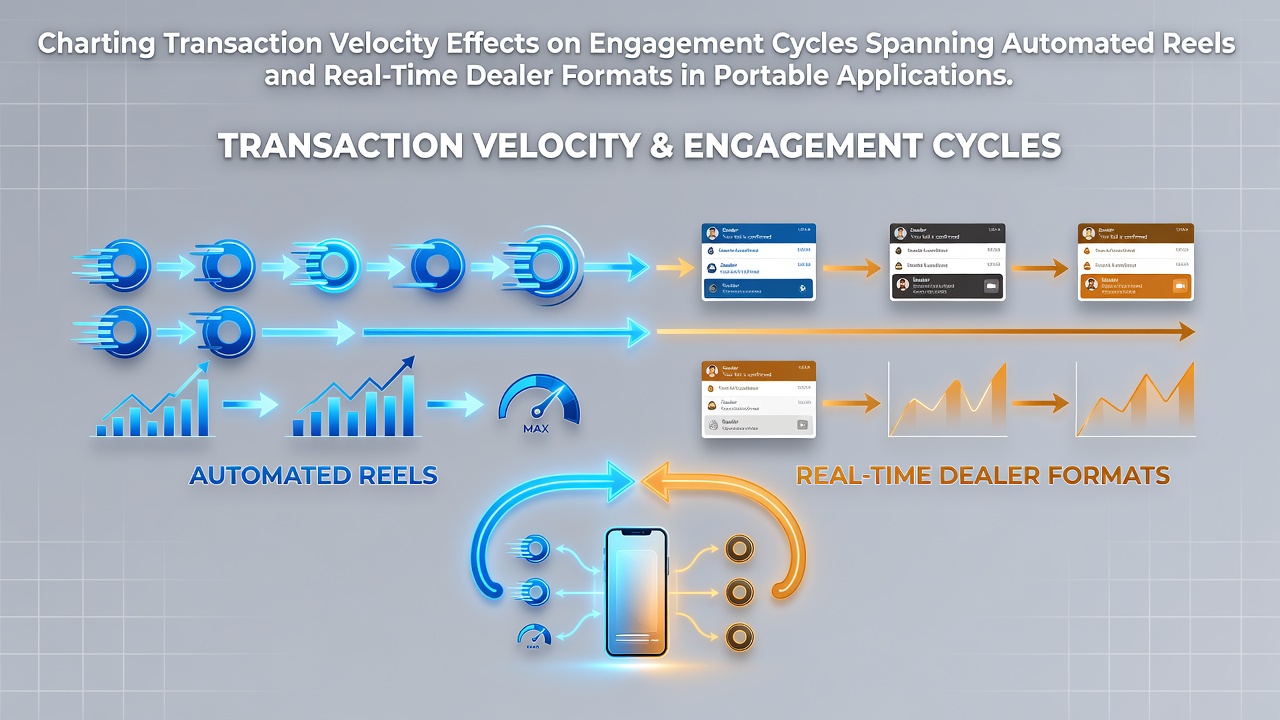
Charting Transaction Velocity Effects on Engagement Cycles Spanning Automated Reels and Real-Time Dealer Formats in Portable Applications
Data indicates that transaction velocity influences engagement cycles in mobile casino applications, where the speed of deposits, bet settlements, and withdrawals shapes how users transition between automated reel sequences and real-time dealer sessions, and this pattern has drawn attention from platform analysts tracking user retention metrics.
Defining Transaction Velocity in Portable Gaming Contexts
Transaction velocity refers to the rate at which financial actions complete within an application, including deposit confirmations, balance updates after spins or bets, and payout processing times, while researchers have documented its role in sustaining player activity across different game types on handheld devices. Observers note that faster processing often correlates with shorter intervals between sessions, whereas delays can interrupt flow states especially during switches from automated reels to live tables.
Effects on Automated Reel Engagement Cycles
Automated reels operate on rapid spin mechanics that reward quick successive actions, and studies reveal that high transaction velocity allows players to reload balances or claim incremental rewards without leaving the reel interface, which extends cycle duration in many documented cases. When deposits process in under five seconds, engagement metrics show increased spin counts per session according to aggregated platform data, yet slower velocities lead users to pause or switch formats mid-cycle. Those who've examined reel-specific logs find that instant settlement features keep participation steady through bonus rounds, whereas any lag disrupts the momentum built during chained spins.
What's interesting is how these patterns hold across regions, with figures from North American operators indicating that applications emphasizing sub-second transaction confirmations report longer average reel engagement periods compared to those with variable processing speeds.
Impacts Observed in Real-Time Dealer Formats
Real-time dealer sessions introduce human-paced interactions that intersect with transaction flows differently than reels, and evidence suggests velocity affects how players manage table buy-ins or side bets during live rounds. Faster funding options enable seamless re-entry after a hand resolves, maintaining presence at the virtual table, while delays prompt temporary exits that fragment engagement cycles. Researchers discovered that in July 2026, several European platforms recorded higher table retention rates when payout velocities aligned closely with round durations, allowing continuous participation without external interruptions.
Take one analysis of mobile live dealer traffic where observers tracked shifts between reel play and dealer tables; quick transaction handling supported fluid movement, whereas friction at funding points increased drop-off during format transitions.
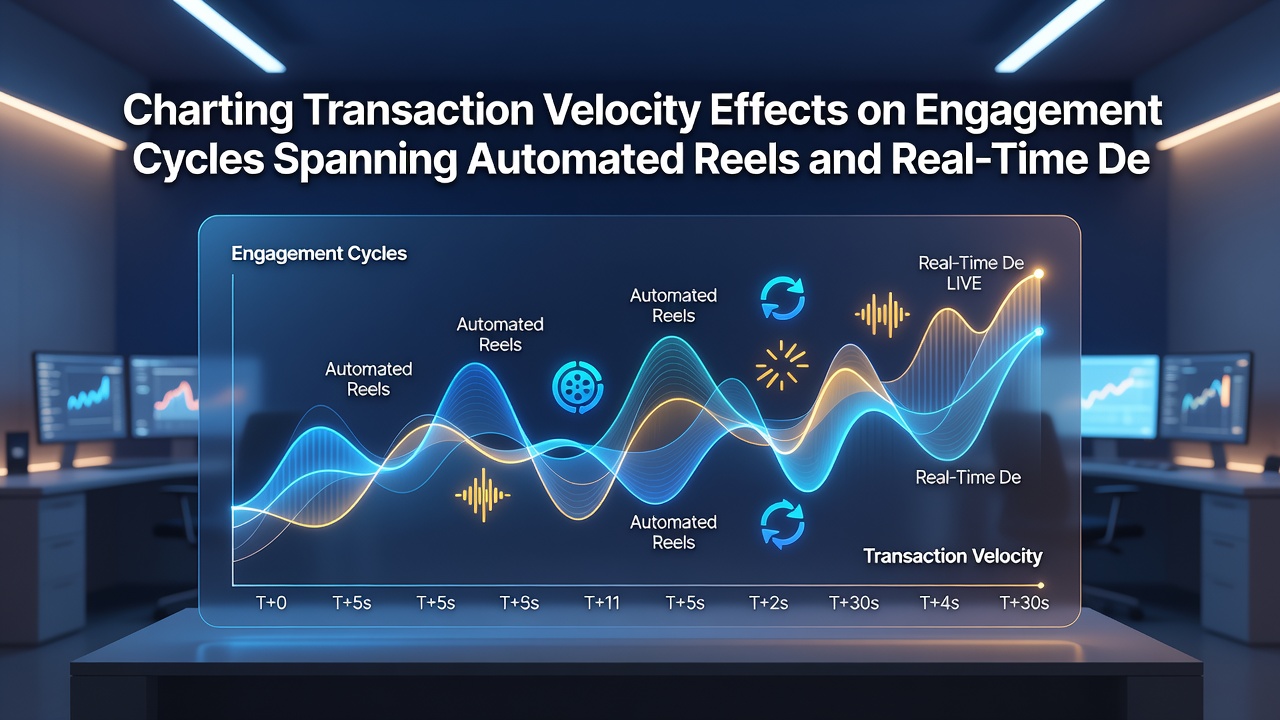
Comparative Patterns Across Formats in Mobile Applications
Portable applications hosting both formats reveal distinct velocity sensitivities, with automated reels responding more to deposit speed and dealer tables showing greater sensitivity to settlement timing during active play. Data shows that integrated systems allowing unified wallets across game types reduce cycle breaks when users alternate between reels and tables, although separate processing queues sometimes create bottlenecks. Those monitoring user paths note that applications with optimized velocity see more cross-format sessions completed per login, particularly when real-time updates sync balance changes instantly regardless of game selection.
According to reports from the American Gaming Association, mobile operators have adjusted backend systems in recent years to address these variances, resulting in measurable shifts in session continuity. Yet patterns differ by device and network conditions, where high-velocity environments on stable connections amplify engagement while variable mobile data can counteract those gains.
Regional Data and Recent Developments
Figures from multiple jurisdictions illustrate how transaction velocity ties into broader engagement trends, and in July 2026, Canadian regulatory summaries highlighted increased cross-format activity in provinces with streamlined payment integrations. Australian research centers have similarly compiled data showing that velocity improvements correlate with extended cycles spanning reels and dealer tables on portable platforms, though outcomes vary with local licensing requirements. Industry organizations such as the European Gaming and Betting Association track these metrics through member reports, revealing that synchronized transaction handling supports longer overall participation windows without format-specific drop-offs.
Conclusion
Platform metrics continue to map transaction velocity against engagement cycles in mobile environments that combine automated reels with real-time dealer options, and ongoing data collection points to consistent links between processing speed and sustained user activity across both formats. Analysts expect further refinements in application architecture to align velocity with the distinct pacing of each game type, drawing from regional insights gathered through 2026 and beyond.