Deciphering How Cultural Traditions Reshape Reward Pathways in Cross-Border Digital Betting Ecosystems
Olivia Coleman · Aug 13, 2026
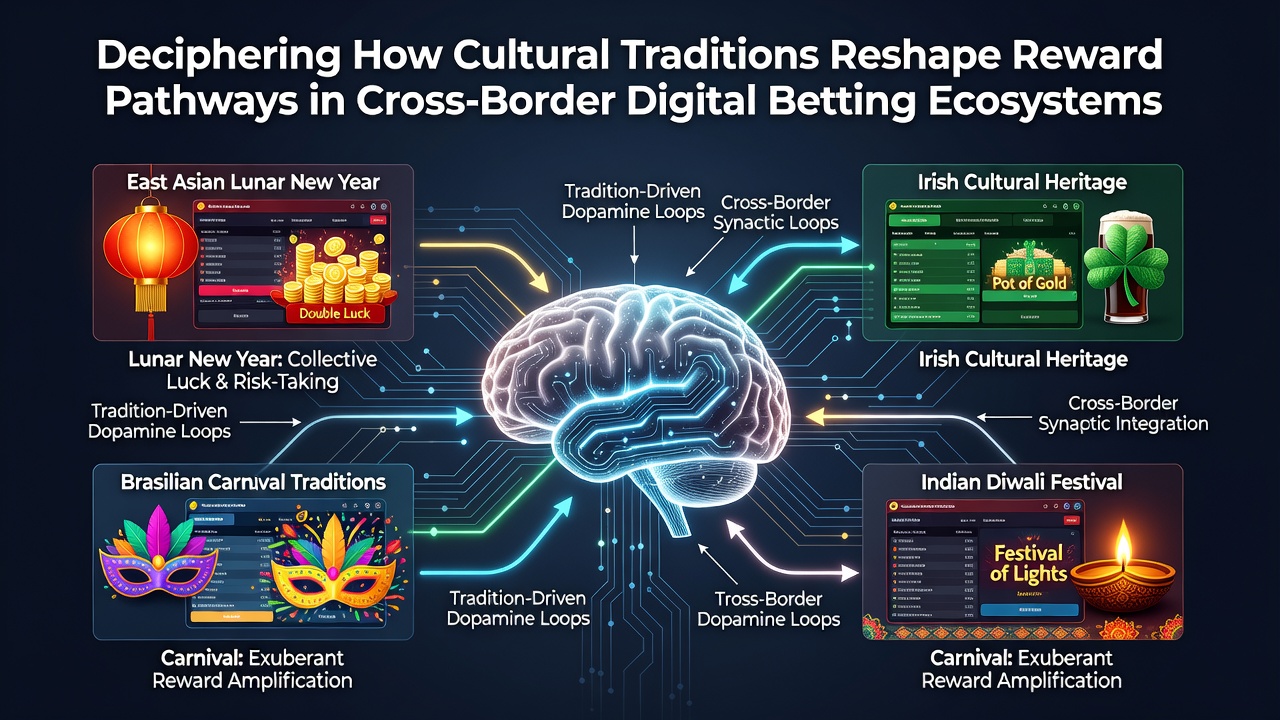
Deciphering How Cultural Traditions Reshape Reward Pathways in Cross-Border Digital Betting Ecosystems
Cross-border digital betting ecosystems operate through platforms that connect users from multiple regions while adapting reward structures to align with local cultural expectations and traditions. These systems process transactions and distribute incentives through mobile applications and web interfaces that incorporate regional payment preferences alongside behavioral patterns shaped by longstanding customs. Researchers tracking user engagement across Asia, Europe, and the Americas have documented how traditions such as communal decision-making in certain East Asian societies or risk-aversion norms in parts of Northern Europe influence how players respond to bonus structures and loyalty programs.
Cultural Norms and Incentive Design
Traditional festivals and family-oriented values often guide the timing and presentation of rewards in digital betting environments. In markets where collective celebrations mark seasonal events, platforms adjust promotional calendars to coincide with those periods, releasing chained bonus sequences that mirror group participation customs. Data collected through platform analytics in August 2026 showed increased participation rates when reward pathways incorporated elements like shared milestone achievements rather than individual streaks alone. Observers note that operators in Southeast Asian corridors frequently integrate red envelope-style digital tokens during lunar year transitions because such mechanics resonate with historical gift-giving practices that emphasize reciprocity and social bonds.
European operators meanwhile navigate heritage concepts of measured play rooted in Enlightenment-era views on probability and restraint. Reward pathways in these regions tend to emphasize transparent probability disclosures and capped accumulation features that echo regulatory traditions favoring consumer protection frameworks. Studies compiled by the Australian Gambling Research Centre indicate that users from these backgrounds show higher retention when bonus structures highlight skill-based elements or extended session tracking instead of rapid multiplier chains.
Cross-Border Platform Adaptations
Digital betting operators managing multi-jurisdictional traffic must reconcile conflicting cultural signals within unified reward engines. When a user migrates from a market that prizes rapid reward cycles to one that values prolonged engagement, the system recalibrates incentive delivery through machine learning models trained on regional behavioral datasets. This recalibration maintains compliance with local licensing while preserving platform economics. Figures released in mid-2026 revealed that platforms incorporating cultural segmentation modules experienced fewer user drop-offs during cross-border transitions compared with rigid global templates.

Payment gateway preferences tied to cultural familiarity further modify reward accessibility. Markets where prepaid vouchers and cash-based top-ups remain dominant see reward pathways routed through slower verification layers that align with trust-building rituals around physical transactions. In contrast, regions accustomed to instant bank transfers receive faster bonus unlocks. Industry reports from the Singapore Casino Regulatory Authority document how these routing decisions affect overall reward velocity and user perception of fairness across borders.
Regional Data Patterns in 2026
Analytics covering the first eight months of 2026 demonstrate measurable shifts in reward pathway utilization when cultural variables receive explicit modeling. Platforms serving Latin American users recorded elevated engagement with community leaderboard bonuses that echo festival competition traditions, while North American segments responded more strongly to personalized achievement badges reflecting individualistic cultural narratives. Cross-tabulated data from academic consortia tracking these ecosystems show that misalignment between cultural expectations and reward delivery correlates with reduced session lengths and lower conversion rates on subsequent deposits.
Operators have responded by deploying modular reward architectures that swap cultural filters without altering core mathematical models. These modules draw on anonymized user metadata to predict which tradition-linked triggers will optimize engagement while remaining within regulatory boundaries. Evidence from multi-country trials completed before August 2026 confirms that such adaptive systems maintain consistent house-edge parameters across all filtered pathways.
Conclusion
Cultural traditions continue to exert measurable influence on how reward pathways function within cross-border digital betting ecosystems. Platform operators address these influences through segmented design choices that respect regional customs while sustaining unified technical infrastructure. Ongoing data collection through 2026 and beyond will likely refine these adaptations as user bases expand and regulatory environments evolve across jurisdictions.