Decoding How Funding Choices Influence Multi-Game Reward Chains in Smartphone Casino Applications
Yves Krause · May 26, 2026
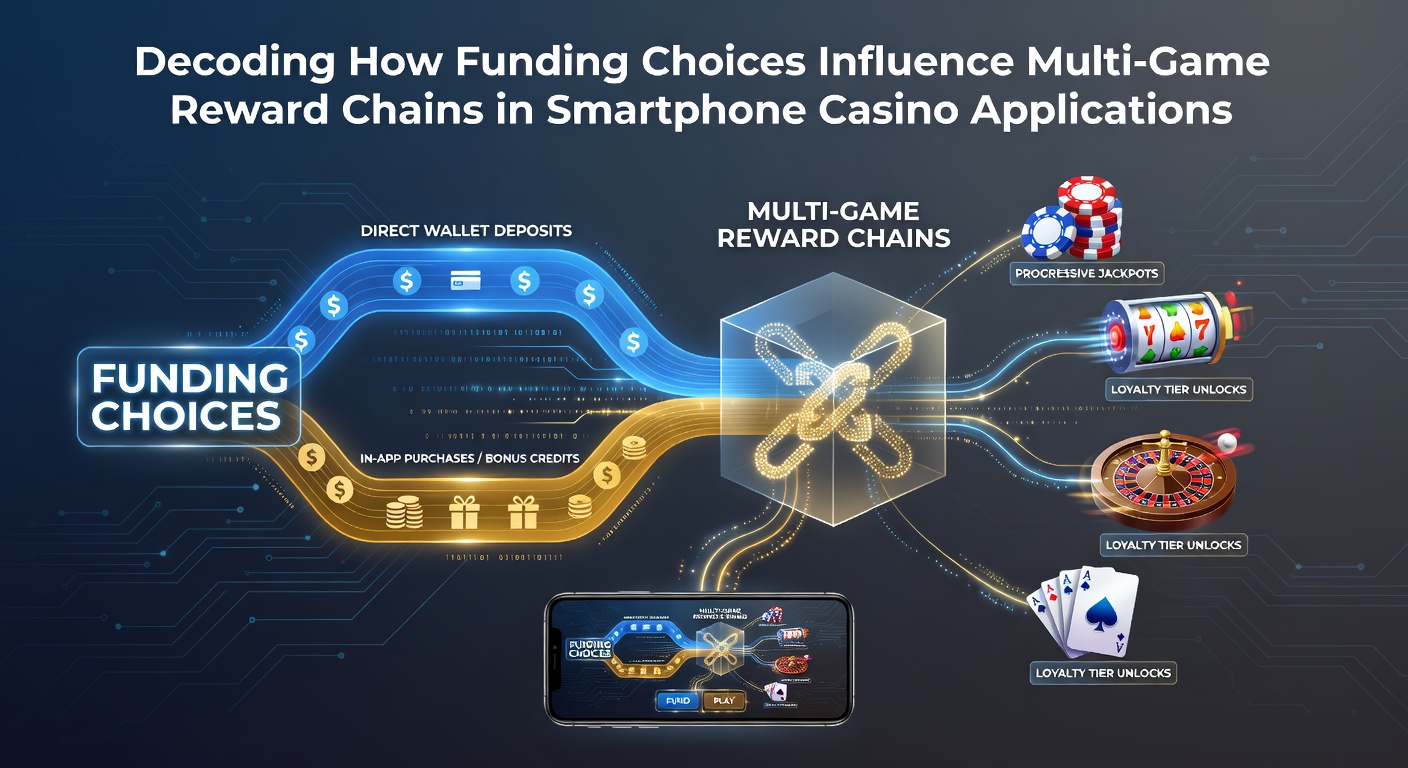
Decoding How Funding Choices Influence Multi-Game Reward Chains in Smartphone Casino Applications
Funding choices in smartphone casino applications determine how reward chains operate across multiple game types, and payment method selection directly shapes bonus eligibility, transfer rules, and accumulation mechanics. Mobile platforms integrate deposit options such as credit cards, e-wallets, bank transfers, and digital currencies, each carrying distinct processing characteristics that influence whether rewards generated in one game sequence extend to another. Industry data shows these connections form structured chains where initial funding parameters set the boundaries for cross-game progression.
Payment Method Categories and Their Structural Impact
Credit and debit card deposits typically trigger standard bonus multipliers that apply uniformly across slot sequences and table game rounds, yet processing delays can interrupt real-time chain activation in live dealer environments. E-wallet services, by contrast, enable faster confirmation windows that allow immediate reward transfers between game categories, and this speed often results in higher chain completion rates according to aggregated platform metrics. Bank transfers introduce longer settlement periods that restrict bonus chaining until funds clear, which limits participation in time-sensitive multi-game promotions that run daily.
Digital currency options add another layer where transaction anonymity and volatility affect reward validation protocols, and platforms apply specific conversion rules that determine whether accumulated points from video poker sessions convert into live dealer credits. Researchers at academic institutions tracking mobile gambling patterns have documented how these payment distinctions create measurable differences in user progression through interconnected reward systems.
Mechanics of Multi-Game Reward Chains
Reward chains function through algorithmic linkages that track deposit origins and apply tiered conditions based on funding source, and these systems monitor play volume across game libraries to unlock sequential bonuses. A deposit made via one method might generate slot-specific free spins that convert into table game match credits only if certain wagering thresholds are met within defined timeframes. Data from platform analytics reveal that chain continuity depends on the initial payment's verification speed and any associated fees that reduce the effective bonus pool available for transfer.
Platforms configure these chains to encourage diversified play, yet funding restrictions frequently segment user pathways into isolated game clusters. Observers note that e-wallet users complete more cross-category chains because their transactions bypass traditional banking holds, and this pattern holds across multiple operator datasets collected through 2026.
Regional Data Patterns Through May 2026
North American operators report increased adoption of instant funding methods correlating with extended reward chain participation rates, while European and Asian markets show varied responses tied to local payment regulations. Figures from the American Gaming Association indicate that mobile reward systems incorporating multiple payment tiers experienced measurable growth in cross-game engagement during early 2026. Canadian regulatory summaries similarly highlight how funding transparency requirements influence bonus portability between slot and live table environments.
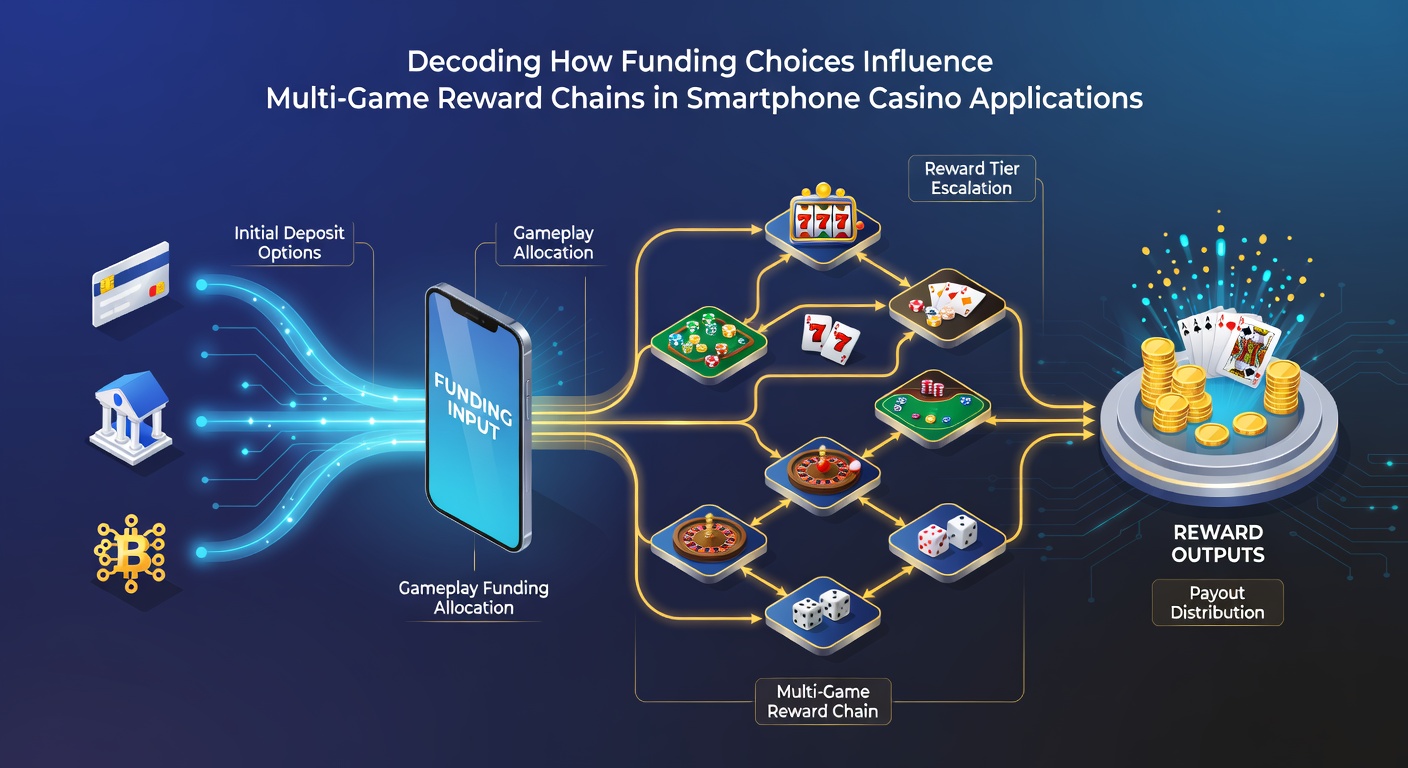
Operators adjust chain parameters monthly based on transaction volume and regional compliance updates, and these modifications directly alter how rewards propagate through different game types. What's interesting is that platforms in jurisdictions with strict anti-money laundering rules often impose additional verification layers on certain payment methods, which extends the time required for reward chains to activate across game categories.
Technical Implementation and User Pathways
Smartphone applications embed funding detection scripts that classify each deposit and apply corresponding reward rules before gameplay begins, and these scripts determine whether bonus funds remain locked to specific game genres or travel freely between them. A single deposit can initiate a chain that starts with slot play, moves through video poker milestones, and concludes at live dealer tables provided the payment method supports seamless balance transfers. Platform developers program these pathways using conditional logic that references the deposit timestamp, amount, and source to calculate eligibility windows.
Industry reports compiled by research groups document how payment method restrictions reduce chain completion when users encounter conversion barriers between game types. Those who've analyzed transaction logs across multiple operators find that digital currency deposits sometimes bypass geographic restrictions that affect traditional cards, thereby extending chain accessibility for international users.
Conclusion
Funding choices establish the foundational rules for multi-game reward chains in smartphone casino applications through verification speed, fee structures, and regulatory compliance factors. Payment method selection determines chain length, transfer feasibility, and activation timing across slot sequences and dealer tables, with data from multiple regions confirming these operational distinctions persist into 2026. Operators continue refining these systems based on transaction patterns and compliance requirements that shape how rewards move between game categories.