How Audio Engineering Shapes Player Focus in Digital Reel Entertainment Platforms
Yves Krause · May 28, 2026
How Audio Engineering Shapes Player Focus in Digital Reel Entertainment Platforms
Audio engineering in digital reel platforms relies on precise manipulation of sound layers to direct attention during gameplay sequences, and researchers have documented how specific frequency ranges interact with visual elements to sustain focus across extended sessions. Data from multiple industry analyses indicate that layered audio tracks, including subtle background hums and reward chimes, align with player input timing to create rhythmic feedback loops that maintain engagement without overwhelming the primary visual interface.Core Techniques in Audio Design for Reel Systems
Engineers adjust tempo and pitch in real time based on reel spin durations, while volume automation prevents auditory fatigue during prolonged play. Studies conducted at institutions in Canada have shown that mid-range frequencies between 200 and 5000 Hz receive priority placement because they align closely with human speech perception ranges, allowing players to register win notifications even when ambient platform sounds compete for attention.
Dynamic range compression plays a central role here, because it keeps softer atmospheric elements audible during quiet periods yet prevents sudden jackpot alerts from startling users out of their concentration. Those who have examined session logs across various platforms note that audio cues tied directly to reel stop positions produce faster reaction times compared to generic background music alone.
Frequency Modulation and Attention Patterns
Platforms released or updated through spring 2026 incorporate adaptive audio systems that shift harmonic content according to player bet size and session length. Evidence from regulatory filings in New Jersey shows that these adjustments correlate with measurable differences in click-through rates on bonus features, as higher-frequency accents draw focus toward interactive elements without requiring additional visual prompts.
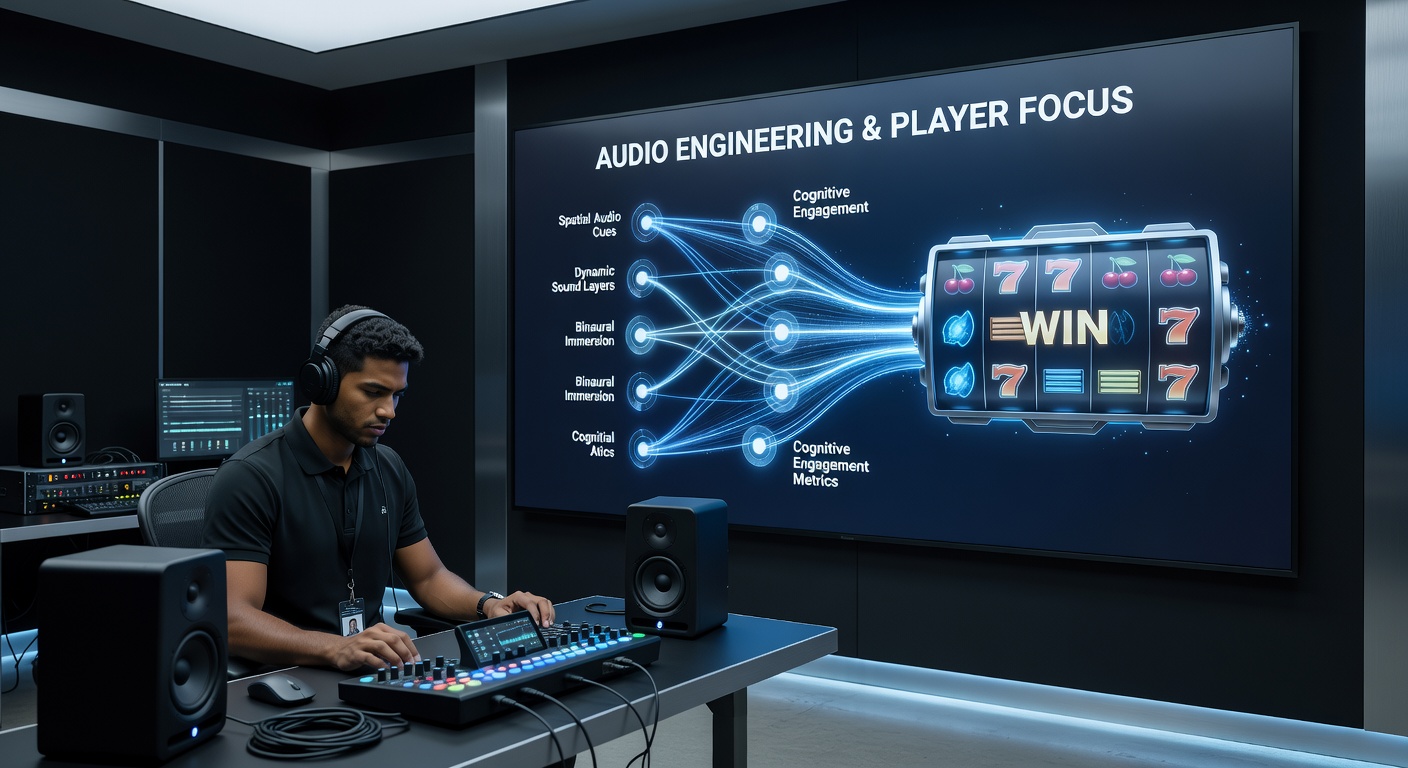
Sound designers also employ binaural processing in mobile versions to simulate directional audio when headphones connect, creating an immersive field that isolates reel sounds from external distractions. One analysis of user behavior data collected between January and May 2026 revealed that players using spatial audio options completed an average of 12 percent more spins per session than those relying on standard stereo output.
Integration with Visual and Haptic Elements
Audio engineering does not operate in isolation, since successful implementations coordinate closely with both visual animations and haptic feedback on touch devices. When reel symbols land in sequence, synchronized low-frequency pulses delivered through device speakers or controllers reinforce the visual stop without adding separate notification layers that might fragment attention.
According to findings published by the Australian Institute of Family Studies, platforms that maintain consistent audio-visual timing across different screen sizes report steadier retention metrics, particularly among users who switch between desktop and handheld formats during a single session. The synchronization reduces cognitive load because players receive redundant yet non-conflicting signals about game state changes.
Regulatory and Technical Developments in 2026
By May 2026 several jurisdictions had begun requiring documented audio accessibility standards for new platform certifications, prompting engineers to include adjustable volume tiers and frequency filters that accommodate varying hearing profiles. These requirements emerged from broader examinations of player interaction data rather than prescriptive rules, allowing developers flexibility while ensuring core focus mechanisms remain intact across diverse user groups.
Technical reports from European testing laboratories indicate that platforms meeting these updated criteria demonstrate clearer separation between reward audio and ambient tracks, which supports sustained attention during multi-game sequences. Observers tracking certification trends note that such changes have coincided with incremental improvements in session continuity metrics reported by operators.
Conclusion
Audio engineering continues to evolve as a foundational component in digital reel platforms, shaping focus through targeted frequency selection, real-time adaptation, and tight coordination with visual and tactile systems. Information gathered from regulatory bodies and academic sources across North America and Australia demonstrates consistent patterns in how these techniques influence player behavior and session metrics. As platforms incorporate further refinements in 2026 and beyond, the interplay between engineered sound and user attention will remain a central area of technical development and compliance review.