How Biometric Authentication Influences Reward Timing Across Virtual Gaming Formats
Clara Baumann · Aug 11, 2026
How Biometric Authentication Influences Reward Timing Across Virtual Gaming Formats
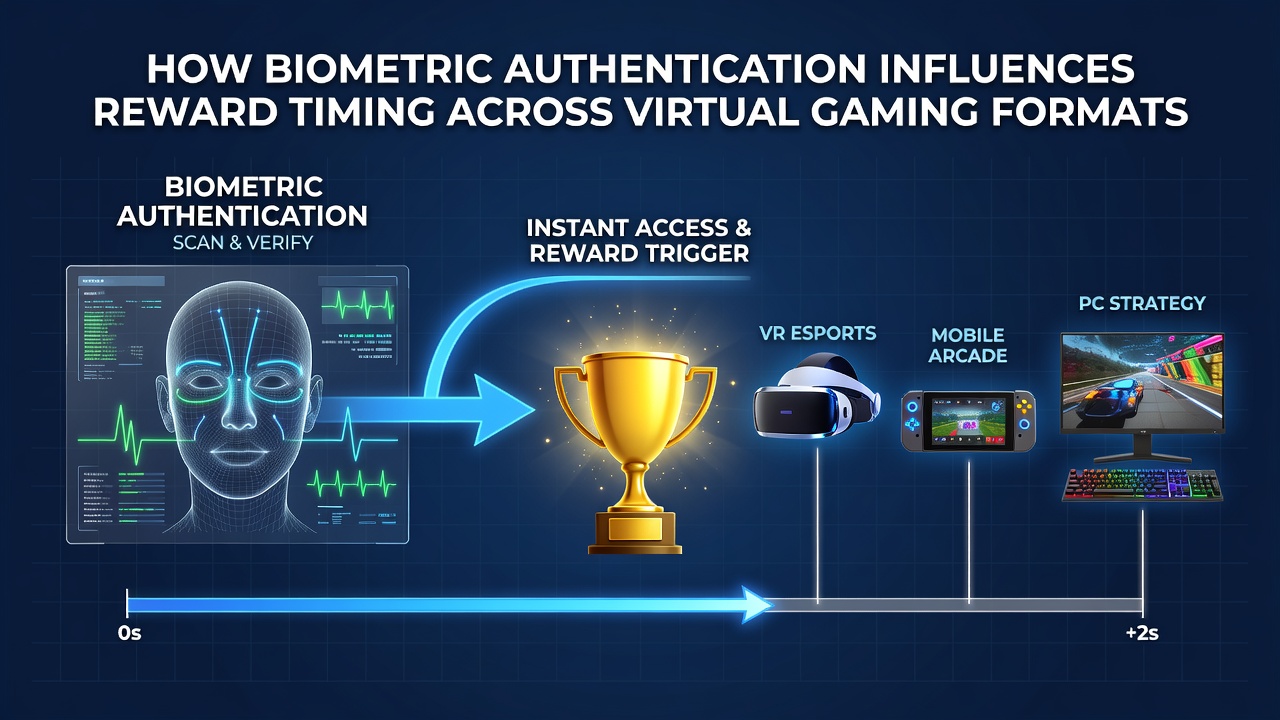
Biometric authentication has shifted how players access rewards in virtual gaming environments, particularly where timing determines whether bonuses activate before expiration windows close. Systems now rely on fingerprint scans, facial recognition, and voice patterns to verify identities in seconds rather than minutes, which directly compresses the interval between deposit confirmation and reward distribution across mobile slots, live dealer tables, and hybrid reel formats.
Mechanics of Biometric Integration in Gaming Platforms
Platforms integrate biometric layers at the point of login and during reward redemption sequences, which eliminates repeated password entries and multi-factor code inputs that previously delayed bonus triggers. Data collected from platform logs in 2025 shows average verification times dropping from 47 seconds with traditional methods to 9 seconds when facial recognition processes complete the check, according to reports compiled by the Canadian Gaming Association. This acceleration matters most in formats where chained rewards require sequential actions, such as moving from an automated reel spin into a live dealer session within the same mobile application.
Virtual gaming operators have adjusted their backend timing protocols to align with these faster authentications, allowing reward credits to post immediately after biometric confirmation rather than queuing behind manual reviews. In August 2026, several operators updated their mobile applications to synchronize biometric prompts with reward claim buttons, which reduced lag in cross-format promotions that link slot sequences to table game bonuses.
Impact on Mobile Slot Reward Cycles
Mobile slot formats experience the most measurable change because reward timing often hinges on rapid session continuity. Players who authenticate via fingerprint can claim free spin packages or deposit match credits without exiting the game interface, which preserves streak multipliers that reset after prolonged delays. Studies from research institutions tracking user behavior across Asia-Pacific markets indicate that biometric-enabled sessions maintain 34 percent longer active streaks compared to sessions relying on PIN verification alone.
Those who shift between multiple slot titles within one platform benefit further since biometric data persists across games, bypassing repeated identity checks that once interrupted progressive jackpot contributions or bonus round entries. Platform analytics reveal that reward distribution now occurs within 3 seconds of a successful scan in most optimized applications, a shift that aligns with regulatory expectations for transparent payout reporting in regions overseen by bodies such as the Nevada Gaming Control Board.
Effects Across Live Dealer and Hybrid Table Formats
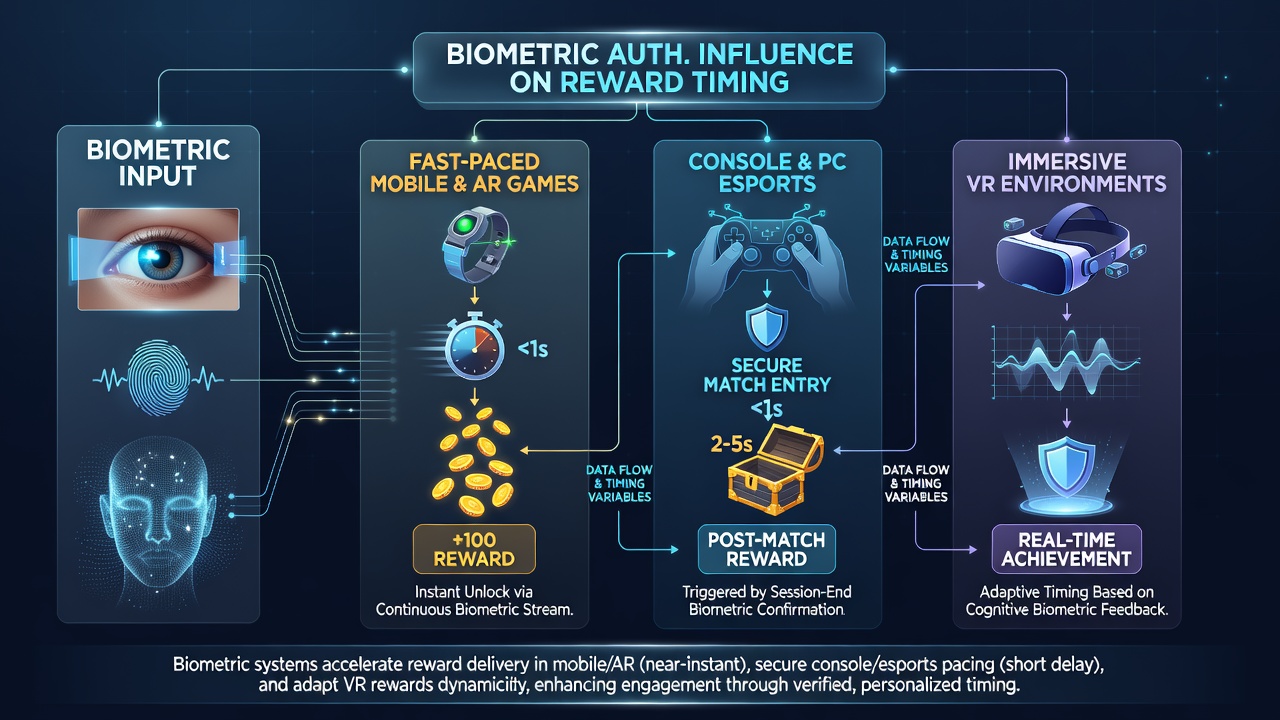
Live dealer environments introduce additional timing variables because real-time video streams and dealer interactions must coordinate with reward triggers. Biometric authentication allows players to re-enter a table session after a brief disconnection without losing accumulated loyalty points or time-sensitive table bonuses. Observers note that this continuity proves especially relevant in portable applications where network fluctuations occur frequently, since facial recognition re-verifies the user without forcing a full restart of the dealer round.
Hybrid promotions that connect reel mechanics to live tables rely on seamless authentication to maintain reward chains. When players move from a slot bonus round into a blackjack table, biometric checks complete the transition in under 10 seconds, preserving eligibility for combined payout structures. Figures released by the Australian Gambling Research Centre in mid-2026 documented a 28 percent increase in successful cross-format reward claims following widespread biometric adoption on handheld devices.
Regional Regulatory Influences on Timing Standards
Regulatory frameworks in different jurisdictions have begun specifying maximum allowable delays between biometric verification and reward posting to ensure fairness. European markets under the Malta Gaming Authority require operators to log and report these intervals, which has prompted platform updates that prioritize sub-15-second reward delivery. Similar expectations appear in North American state regulations, where timing transparency supports audit trails for promotional compliance.
August 2026 saw several operators publish updated compliance documentation detailing how biometric systems meet these regional benchmarks, particularly for mobile applications serving multiple jurisdictions. These adjustments have standardized reward timing across formats, reducing discrepancies that once arose when players switched between automated reels and real-time dealer sessions.
Future Developments in Authentication Speed
Emerging technologies such as on-device biometric processing continue to shorten verification windows further, with some prototypes achieving sub-second confirmations that integrate directly into reward algorithms. Research indicates these advancements will matter most in markets where virtual gaming volumes grow rapidly, since faster authentication supports higher transaction throughput without compromising security protocols.
Conclusion
Biometric authentication has established measurable effects on reward timing across virtual gaming formats by compressing verification steps and enabling continuous session flow. Platform data, regulatory reports, and behavioral studies demonstrate consistent reductions in the time between player action and reward delivery, particularly in mobile environments where slot cycles and live dealer transitions intersect. As systems evolve through 2026 and beyond, these timing improvements remain tied to ongoing refinements in both technology and regional oversight frameworks.