How Regional Licensing Rules Redirect Reward Pathways Across Reel and Table Formats in Portable Applications
Olivia Coleman · Jun 11, 2026
How Regional Licensing Rules Redirect Reward Pathways Across Reel and Table Formats in Portable Applications
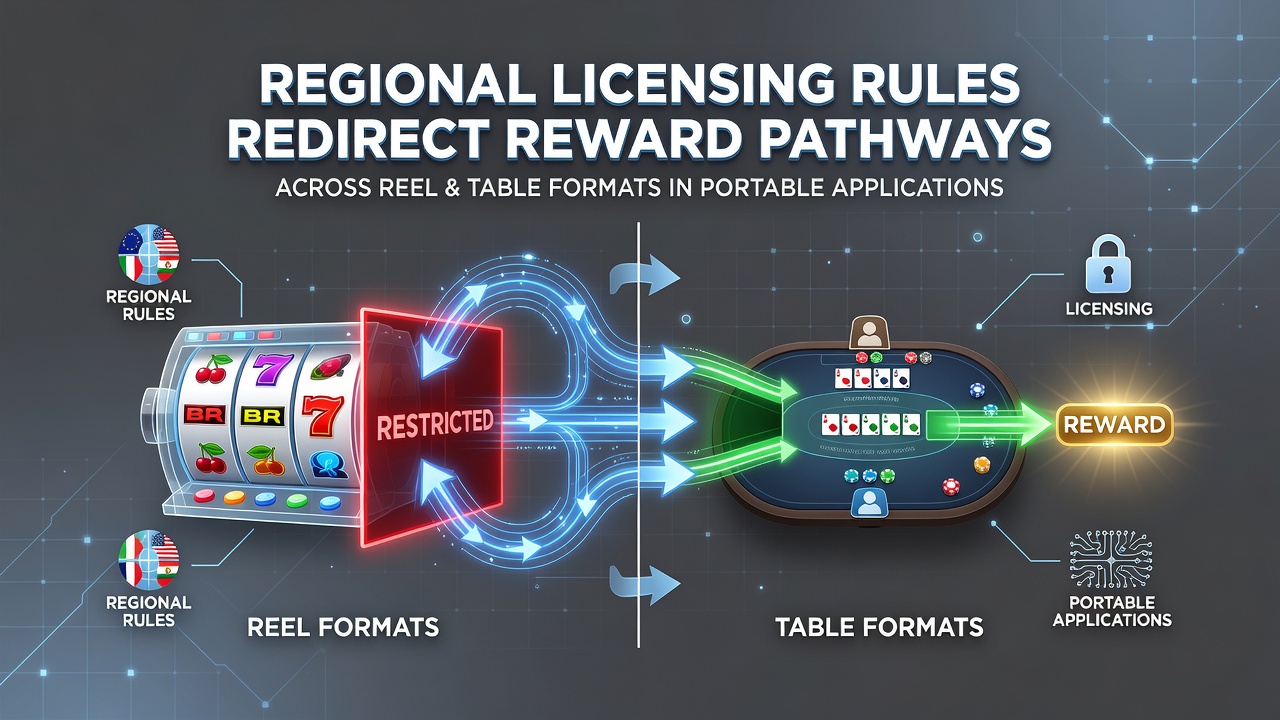
Regional licensing frameworks shape how mobile casino operators structure reward systems, and they often create distinct pathways for reel-based games versus table formats within the same portable application. Licensing authorities in various jurisdictions impose requirements that influence bonus allocation, wager contributions, and redemption rules, which in turn affects player progression between automated reel sequences and real-time dealer sessions. Data from regulatory filings indicates that these rules emerge because each region maintains separate standards for game classification, risk assessment, and consumer protection measures. In jurisdictions such as Ontario, operators must comply with the Alcohol and Gaming Commission of Ontario guidelines that separate electronic gaming from live dealer offerings, and this separation extends into mobile reward mechanics. A single application may therefore route slot-based loyalty points through one calculation method while directing table game activity through another, even when both formats sit inside the same user account. Research indicates that such redirection occurs because licensing conditions frequently tie bonus eligibility to specific game categories rather than treating all titles uniformly. European markets demonstrate parallel patterns where national rules interact with broader EU directives on remote gambling. Mobile platforms adjust their incentive structures to satisfy multiple licensing layers simultaneously, and this leads to segmented reward flows that prioritize certain reel mechanics in one region while favoring table interactions in another. Figures reveal that operators often recalibrate contribution percentages for bonuses based on these jurisdictional demands, which means a user switching between formats on a handheld device encounters altered accumulation rates without leaving the application.Mechanics of Reward Redirection in Licensed Mobile Environments
Operators design portable applications to accommodate licensing variations by embedding conditional logic into their backend systems, and this logic redirects reward pathways according to the user's detected location and the associated regulatory requirements. Reel formats typically receive higher contribution weights toward certain promotions in regions where slot activity falls under stricter volume controls, whereas table formats may accumulate rewards at different rates when live dealer sessions face separate oversight. According to reports from the Alcohol and Gaming Commission of Ontario, these adjustments maintain compliance while preserving cross-format engagement within a single session.
Application developers integrate geolocation checks that trigger different bonus rules mid-play, and users moving between regions experience automatic pathway shifts without manual intervention. Such systems allow reel sequences to feed into table game promotions or vice versa depending on the active license, yet the underlying calculations remain hidden from the interface. Observers note that this creates fluid but regulated reward circulation across formats, especially when portable applications support both automated and dealer-driven content.Cross-Format Interactions Under Diverse Regulatory Regimes
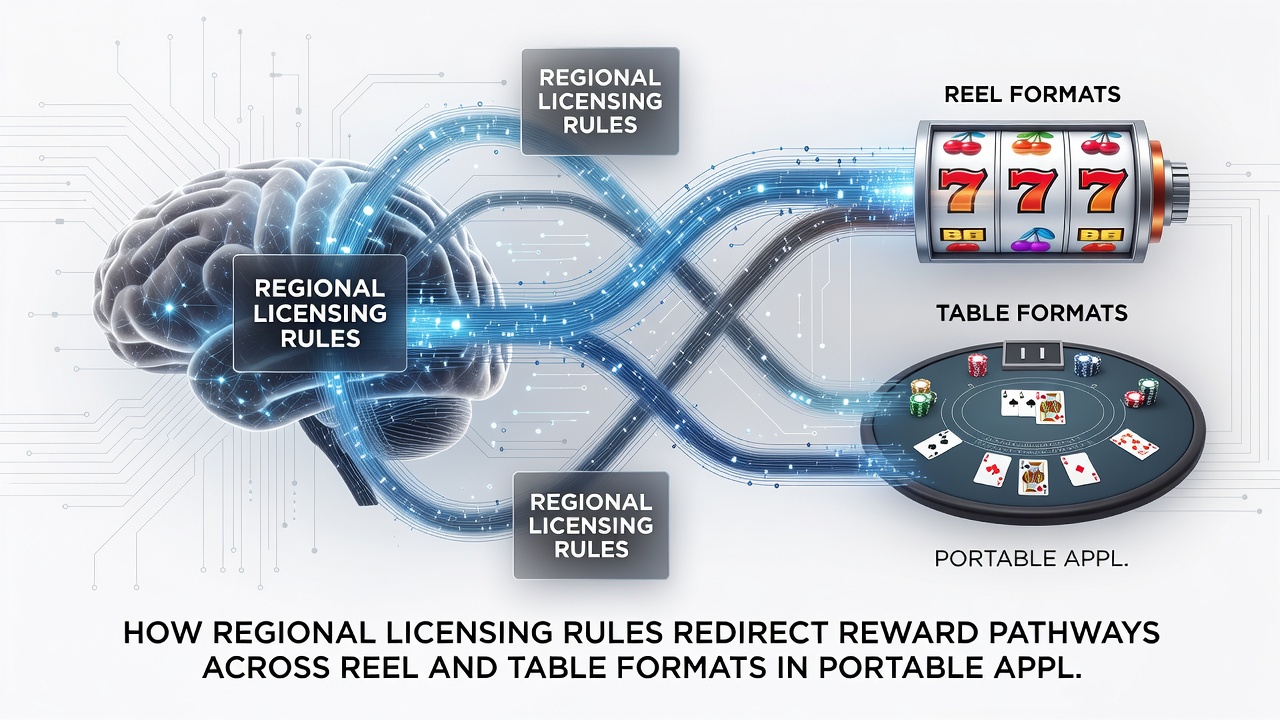
June 2026 marks an important period for several licensing updates that further influence how rewards move between reel and table formats in mobile environments. Updates in select Asian and North American markets require operators to log format-specific activity separately, which forces applications to maintain parallel accounting ledgers for each game type. This separation redirects bonus pathways so that progress earned on reels does not automatically transfer to table sessions unless explicit licensing provisions permit the linkage.
Case examples from licensed operators show that multi-jurisdictional compliance leads to modular reward engines, and these engines activate different contribution matrices based on the governing license. A user completing reel cycles may see rewards route toward table-exclusive promotions in one region, while the same activity feeds general loyalty balances in another. The result is that portable applications become dynamic platforms where licensing rules continuously shape incentive accessibility without altering the core game presentation.Implementation Patterns Across Global Mobile Platforms
Industry reports highlight that developers incorporate licensing rule sets as modular components within their applications, which allows rapid adaptation when regulations change. These components handle reward redirection by adjusting eligibility flags and multiplier values for reel versus table activity, and they do so while preserving a seamless user experience across both formats. Data shows that platforms operating under multiple licenses often deploy region-specific configuration files that activate upon connection, ensuring compliance without disrupting gameplay flow.
Table game rewards frequently face additional verification steps in certain licensed markets because live dealer sessions carry distinct regulatory classifications compared to automated reels. This distinction redirects pathways so that table-based achievements may unlock separate bonus tiers unavailable through reel play alone. Researchers have documented similar patterns in applications serving both domestic and international users, where the same title behaves differently depending on the active licensing jurisdiction at the time of play.Conclusion
Regional licensing rules continue to influence how reward pathways operate across reel and table formats inside portable casino applications, and they do so through structured compliance mechanisms rather than uniform design choices. As markets evolve through 2026 and beyond, operators maintain these redirected flows to satisfy varying regulatory demands while supporting cross-format engagement on mobile devices. The resulting systems demonstrate how licensing conditions shape incentive structures at the technical level, creating distinct yet interconnected reward experiences for users navigating both automated and live game options within a single application.