Lumbee Tribe Rejects Casino Amendment With 62 Percent Vote Against Gaming Expansion
Olivia Coleman · Jun 30, 2026

Lumbee Tribe Rejects Casino Amendment With 62 Percent Vote Against Gaming Expansion
The Lumbee Tribe cast ballots on a constitutional amendment that would have cleared the way for casino gaming and the Dark Water Resort project, yet 62 percent voted no and blocked the measure outright. The proposed development included a casino, hotel, golf course plus entertainment venues spread across more than 240 acres of interstate land that tribal officials purchased for over six million dollars. That outcome leaves the property in limbo while leaders schedule an emergency meeting to examine governance questions, transparency concerns, voting access problems, and future economic plans.
Chairman John Lowery announced he will not bring gaming back up for the rest of his term, a statement that sets a firm boundary on the issue for the immediate future. The vote took place amid ongoing discussions about how the tribe might generate revenue on the I-95 corridor site, yet members ultimately decided against authorizing the constitutional change needed to move forward.
Details of the Proposed Dark Water Resort Project
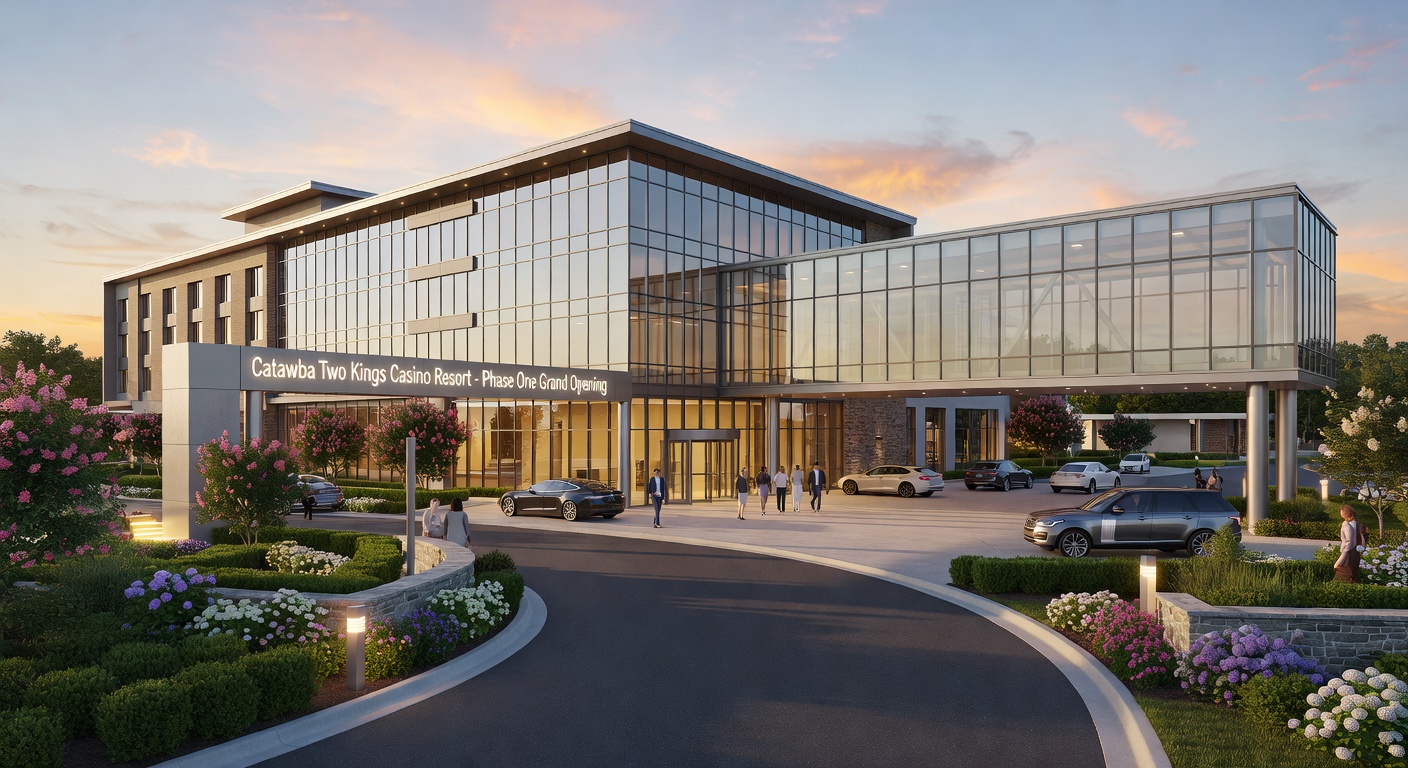
The rejected amendment would have authorized casino gaming on the purchased land and opened the door to the full resort plan, which tribal planners described as a mixed-use destination drawing visitors from surrounding states. The 240-acre parcel sits along a busy highway corridor, a location observers noted could support hotel rooms, dining options, and recreational facilities in addition to gaming space. Purchase records show the tribe spent more than six million dollars to secure the property, an investment that now faces new questions about alternative uses.
Those who've followed the project point out that the amendment required explicit tribal approval before any gaming license pursuit could begin, and the 62 percent rejection margin left little room for reinterpretation. The proposal had been framed as a potential economic driver for the community, yet voters chose to maintain the existing constitutional limits on such activity.
Emergency Meeting Called to Address Multiple Issues
Following the results, tribal leaders scheduled an emergency meeting to tackle governance structures, transparency practices, voting access logistics, and next steps for the undeveloped acreage. Participants expect the gathering to cover how ballots were distributed and counted, what lessons emerge from the turnout, and whether non-gaming development options might still suit the site. The session will also examine internal procedures that some members flagged during the campaign period leading up to the vote.
Officials have indicated the meeting will produce a public record of discussions and any resulting decisions, a step intended to address concerns raised during the amendment debate. The property remains under tribal ownership, and leaders have stressed that economic development remains a priority even without the gaming component.
Chairman Lowery's Position on Future Gaming Discussions
Chairman John Lowery stated clearly that gaming will not return to the agenda during the remainder of his current term, a position that removes the issue from active consideration for now. This declaration came shortly after vote tallies were certified and reflects the leadership's intent to respect the 62 percent outcome. Lowery's term timeline places any potential revisit well into the future, giving the tribe time to focus on other priorities in the interim.
Those tracking tribal governance note that the chairman's stance aligns with standard practice when voters reject constitutional changes by wide margins, and it provides a predictable framework for planning around the I-95 land. The decision also allows space for the emergency meeting to address immediate procedural matters without overlapping gaming questions.
Context Around the Vote and Property Acquisition
The 240-acre parcel was acquired more than a year before the amendment vote, with tribal funds used to purchase the highway-adjacent tract specifically for large-scale development. Records show the transaction exceeded six million dollars, an outlay that positioned the tribe to consider multiple revenue streams once infrastructure and approvals were secured. The constitutional amendment served as the required gateway step before any casino operator partnership or state-level licensing could proceed.
Voting access issues surfaced during the campaign, with some members citing distance to polling locations and limited advance notice as barriers that the emergency meeting will now review. Data from the election shows the 62 percent rejection held across multiple districts, suggesting broad participation despite those concerns.
Next Steps for the Property and Economic Development
With the amendment defeated, attention turns to what happens next with the land and whether alternative economic uses might still generate returns on the original investment. The emergency meeting agenda includes dedicated time for brainstorming non-gaming options such as commercial leasing, agricultural projects, or mixed-use retail that could fit within current constitutional rules. Leaders have not released specific proposals yet, but they have confirmed the property will remain tribal land under active consideration.
According to tribal records, the purchase was part of a broader strategy to secure strategic locations along major travel routes, and that long-term view remains intact even after the gaming vote. The meeting is expected to produce a timeline for further community input sessions and feasibility studies on revised development concepts.
Conclusion
The Lumbee Tribe's 62 percent rejection of the casino amendment closes one chapter on the Dark Water Resort proposal while opening another focused on governance review and alternative uses for the I-95 property. Chairman Lowery's commitment not to revisit gaming during his term provides clarity, and the upcoming emergency meeting will tackle transparency, voting access, and economic planning in a structured format. The 240-acre site purchased for more than six million dollars now sits at the center of those discussions, with outcomes expected to shape tribal development strategies in the months ahead.