Server Architecture Choices Determining Bonus Portability Between Reel Spins and Card Tables on Wireless Platforms
Yves Krause · Jul 7, 2026
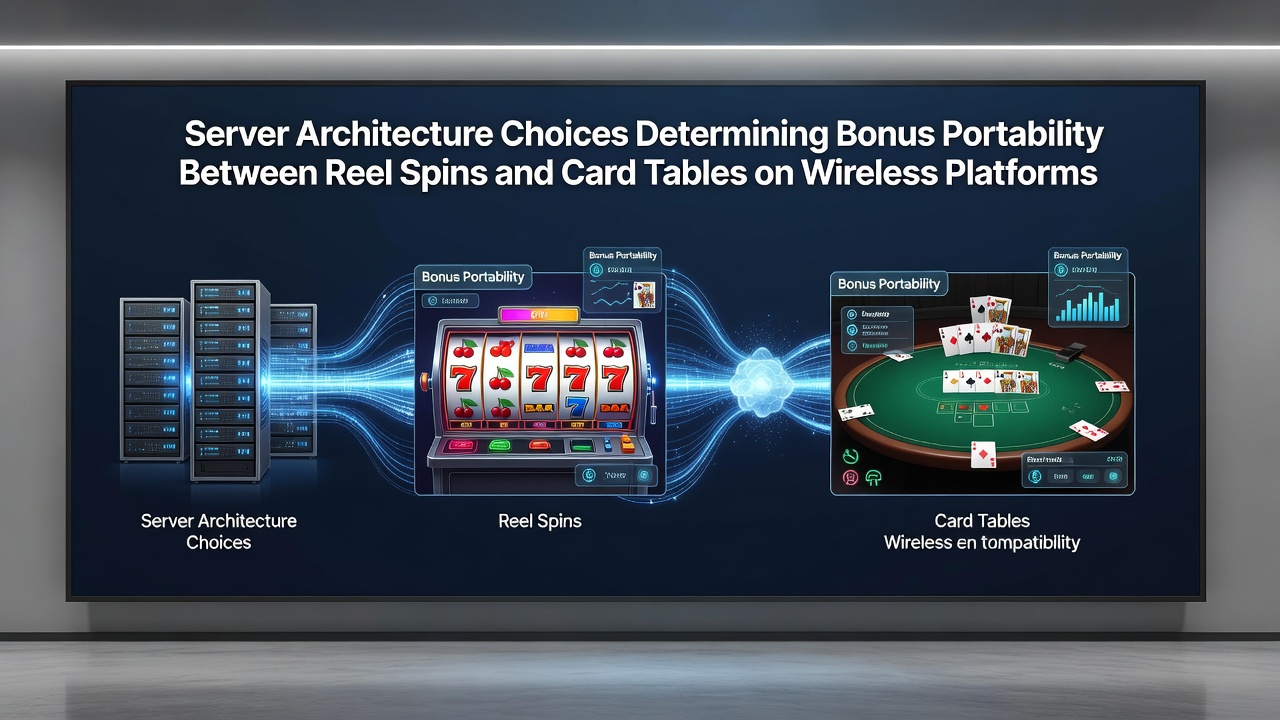
Server Architecture Choices Determining Bonus Portability Between Reel Spins and Card Tables on Wireless Platforms
Server architecture decisions shape how bonus systems transfer value between automated reel sequences and live dealer tables on wireless devices, where mobile networks introduce variable latency and session continuity challenges. Centralized database structures often consolidate player accounts into single ledgers that track both slot progressions and table game contributions, allowing rewards earned during reel cycles to activate during card sessions without separate authentication steps. Distributed systems split these functions across multiple nodes, which can isolate bonus pools and require additional synchronization layers before portability occurs.
Monolithic Versus Microservices Approaches
Monolithic server designs bundle all game modules into one application stack, so bonus calculations run through shared code paths that recognize activity across reel and table environments. This setup simplifies data queries during wireless handoffs because a single database call retrieves both spin histories and table wagers. Microservices break the same functions into independent services, each handling specific game types or bonus types, which demands robust API gateways to move credits between modules when users switch from reel play to card tables on the same mobile session.
Operators using microservices frequently implement event-driven messaging queues that publish bonus events in real time, yet network jitter on wireless connections can delay queue processing and temporarily block portability until the message reaches the table service. Research from the Institute of Electrical and Electronics Engineers on distributed gaming platforms shows that microservice latency averages 120 milliseconds higher than monolithic equivalents under 4G conditions, though 5G deployments narrow that gap to under 30 milliseconds in urban test environments.
Cloud Scaling and Edge Computing Effects
Cloud-based architectures allow operators to scale bonus engines dynamically during peak mobile usage periods, such as evening hours when reel and table traffic overlap. Horizontal scaling across availability zones keeps player state consistent even when devices move between cell towers, preserving the portability chain that links reel multipliers to table game eligibility. Edge computing nodes placed near mobile network gateways further reduce round-trip times for bonus validation calls, which proves especially useful when users transition mid-session from slots to live dealer tables.
Data Synchronization Patterns Across Game Types
Observers tracking July 2026 platform updates note that several major wireless operators adopted unified session tokens stored in Redis clusters, enabling seamless bonus handoff between reel and card environments without requiring full account reloads. These tokens carry metadata about pending reel bonuses that automatically convert into table game credits once the player joins a live session, provided the underlying server topology supports cross-service reads within the same geographic region.
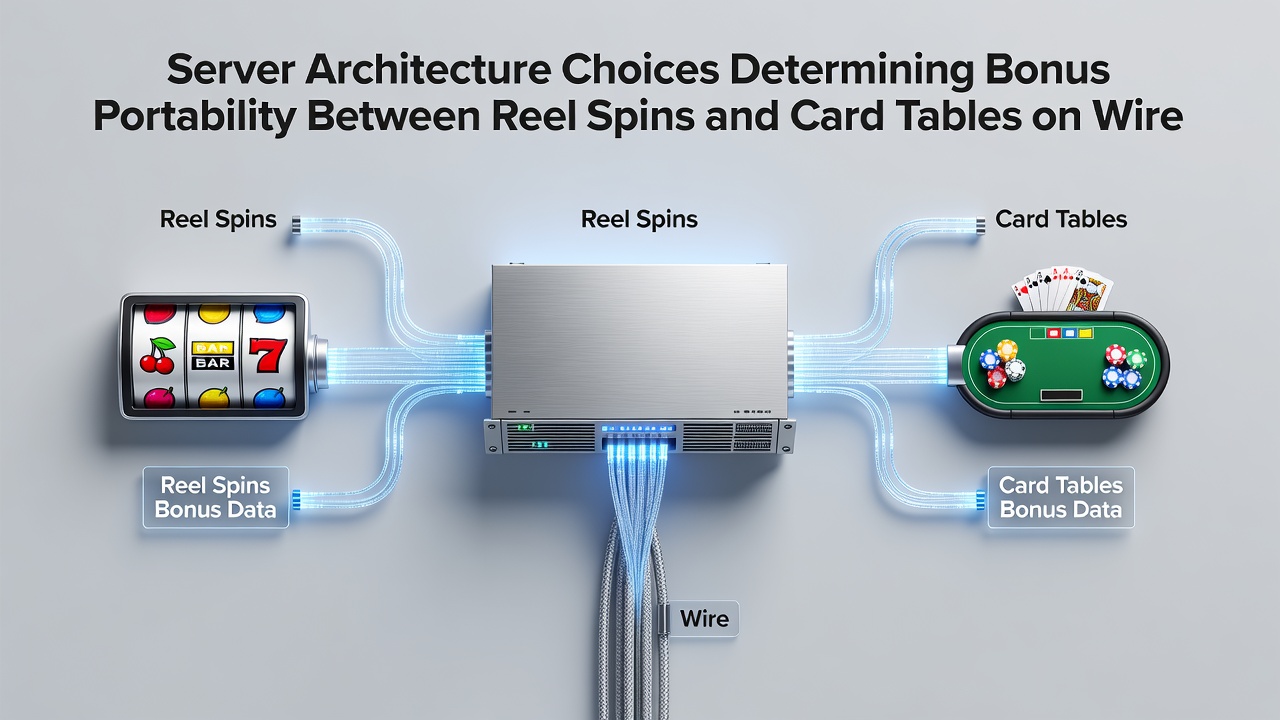
Separate bonus ledgers still appear in some regional deployments where licensing rules mandate distinct accounting for automated games versus live table activity, forcing additional reconciliation steps before portability completes. Data from the Australian Communications and Media Authority indicates that platforms with synchronized ledgers processed 18 percent more cross-format bonus redemptions during the first half of 2026 compared with fragmented systems, highlighting the direct influence of architecture on reward flow.
Wireless Network Variables and Session Continuity
Wireless connectivity introduces packet loss and handoff delays that affect real-time bonus checks, particularly when users switch between Wi-Fi and cellular during active play. Server architectures incorporating persistent connection managers maintain open sockets to both reel and table services, allowing bonus status to update without full re-authentication after each network change. Those who manage high-volume mobile traffic report that architectures lacking these managers experience session drops that reset bonus portability flags, requiring players to restart the chain from the last confirmed reel or table activity.
Load balancers positioned in front of game servers route requests based on current session type, yet poorly configured rules can direct table game traffic to reel-only bonus nodes and interrupt the transfer process. Industry reports compiled by the European Gaming and Betting Association document that optimized routing configurations reduced such interruptions by 27 percent across tested European mobile networks during 2025 and early 2026.
Conclusion
Server architecture selections ultimately govern whether bonus portability operates as a fluid process or encounters repeated friction points when players move between reel spins and card tables on wireless platforms. Centralized models paired with edge caching deliver faster cross-game credit movement, while microservices require stronger messaging and token systems to achieve comparable results. Continued refinement of synchronization layers and network-aware routing will determine how reliably these transfers function as mobile usage expands through the remainder of 2026.