White Earth Nation Pauses Moorhead Casino and Resort Plans for Comprehensive Review
Clara Baumann · Jun 27, 2026

White Earth Nation Pauses Moorhead Casino and Resort Plans for Comprehensive Review
The White Earth Nation has paused its proposed 176 to 177 million dollar casino and resort development in Moorhead, Minnesota, after the June 2026 election of new Secretary-Treasurer Jacob McArthur, and this decision allows time to examine financial risks, sustainability questions, potential effects on existing tribal operations, and community input before any financing or development agreements move forward.
McArthur stated that the tribe is “pumping the brakes” on the project, which sits on a nearly 300-acre site that the White Earth Nation still owns, while prior studies remain valid and no federal or state approvals have been withdrawn, yet no further steps will occur until the reassessment concludes later in 2026.
Announcement and Immediate Context
Observers note that the pause follows directly from the recent leadership change, with McArthur taking the role of Secretary-Treasurer in June 2026 and quickly signaling a shift in approach to large-scale developments, and this move keeps the proposal active as a live option rather than canceling it outright.
Those familiar with tribal governance processes point out that new administrations often conduct fresh evaluations of major initiatives, and in this case the review focuses on whether the project aligns with current tribal priorities and risk tolerance before any binding commitments are made.
Project Components and Projected Outcomes
The development under review would feature approximately 950 slot machines along with 10 table games, a 200-room hotel, multiple restaurants, retail spaces, and an RV park, according to project descriptions released earlier, while projections from the comprehensive economic and social impact study indicated over 1.1 million annual visitors, more than 600 jobs, and at least 25 million dollars in yearly tax revenue for the region.
Data from those earlier assessments also highlighted infrastructure needs and visitor flow patterns across the site, and planners had mapped out how the various amenities would integrate to support both gaming and non-gaming attractions on the same property.
Reasons Driving the Reassessment
McArthur’s announcement emphasized four main areas for scrutiny including financial exposure, impacts on other White Earth Nation casinos already in operation, long-term sustainability of the venture, and local community concerns, and the tribe plans to address each element systematically during the coming months.
Researchers who have examined similar tribal projects elsewhere note that such reviews typically incorporate updated economic modeling and consultation with stakeholders, while the White Earth Nation maintains ownership of the land and retains all previously completed environmental and feasibility studies for reference throughout the process.
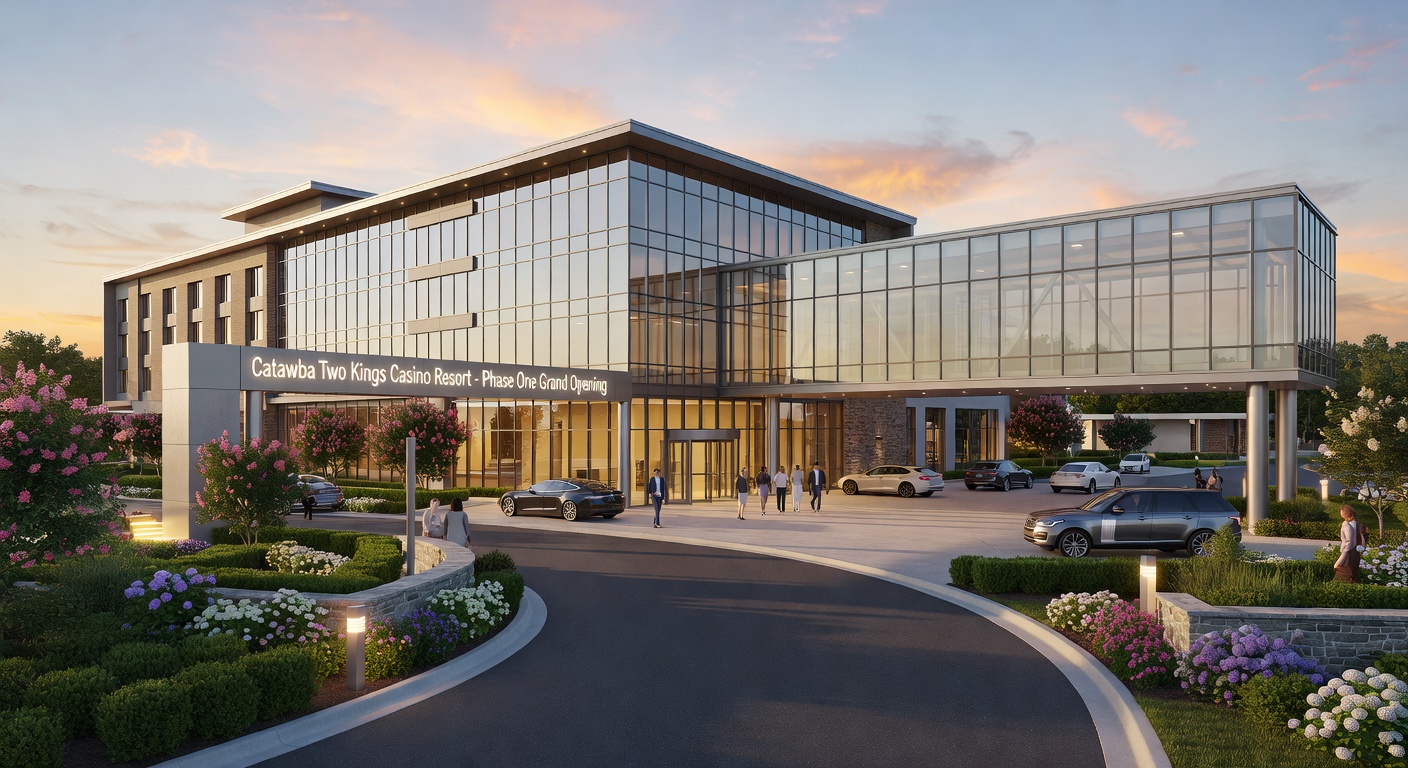
Figures from the May 2026 impact study continue to serve as baseline data during this pause, although updated analyses may incorporate new variables such as current interest rates, construction cost trends, and competitive market conditions in the upper Midwest gaming sector.
Current Status and Timeline
The project remains a live proposal with no approvals revoked, and the tribe continues to hold the land while deciding next actions, yet development activity has stopped short of any financing agreements or construction contracts until the reassessment finishes later in 2026.
Those who have followed the Moorhead proposal since its initial announcement point out that pauses of this nature allow leadership to align major investments with evolving tribal priorities, and the White Earth Nation has not ruled out eventually proceeding once the review is complete.
Conclusion
The White Earth Nation’s decision to pause the Moorhead casino and resort project reflects a deliberate step to evaluate risks and benefits under new leadership, and the outcome of the 2026 reassessment will determine whether the 176 to 177 million dollar development advances, scales back, or takes a different form entirely.
Stakeholders continue to monitor updates from tribal officials, while the land ownership and prior studies remain unchanged, keeping all options available once the review period concludes.